From Spain to Provence: The Global Journey of the Mourvèdre Grape
One of the world's most important red grapes hides behind blends, aliases, and centuries of underestimation. It is long past time to learn its name.
There is a particular kind of fame that comes from doing essential work while someone else takes the credit. For centuries, that has been the story of Mourvèdre. This thick-skinned, late-ripening red grape has shaped some of the most celebrated wines in France, Spain, and beyond, yet it remains largely unknown to casual drinkers and underappreciated even among those who encounter it regularly. Part of the confusion is linguistic. Mourvèdre is its French name. In Spain, where the grape almost certainly originated, it goes by Monastrell. In Australia and California, older plantings are called Mataro.
What unites these identities is a grape of uncommon power and complexity, one that thrives in heat, demands patience, and rewards attention with wines of striking depth. Whether it appears as the backbone of a southern French blend, a bold varietal from the Spanish Levante, or a component in an Australian Grenache-Syrah-Mourvèdre bottling, this grape punches well above its public profile. Understanding Mourvèdre is one of the most useful steps a wine enthusiast can take toward deeper appreciation of Mediterranean winemaking.
Mourvèdre is a grape that rewards patience: bold in youth, complex with age, and always unmistakably Mediterranean.
Ancient Roots, Modern Identity
Most historians trace Mourvèdre's origins to the eastern coast of Spain, likely the region around the city now known as Sagunto, formerly called Murviedro, from which the French name probably derives. Phoenician traders are believed to have brought early grapevine cuttings to the Iberian Peninsula around 500 BC, and the variety established itself in the warm, dry landscapes of Valencia, Alicante, and Murcia over the following centuries. From Spain, the grape migrated eastward into southern France, where it had a documented presence in Roussillon by at least the sixteenth century and eventually spread through Provence and into the Rhone Valley.
The nineteenth century nearly ended the story. When the phylloxera epidemic devastated European vineyards beginning in the 1860s, Mourvèdre proved particularly difficult to graft onto the resistant American rootstocks that saved other varieties. Vast plantings were lost and replaced with grapes that adapted more readily. It was not until after World War II that improved rootstock technology allowed Mourvèdre to be successfully regrafted, and a movement to replant the variety began in the 1960s and 1970s, led by passionate producers in Provence and the southern Rhone. That recovery continues today, with global plantings exceeding 60,000 hectares and growing recognition that Mourvèdre's heat tolerance makes it increasingly valuable in a warming climate.
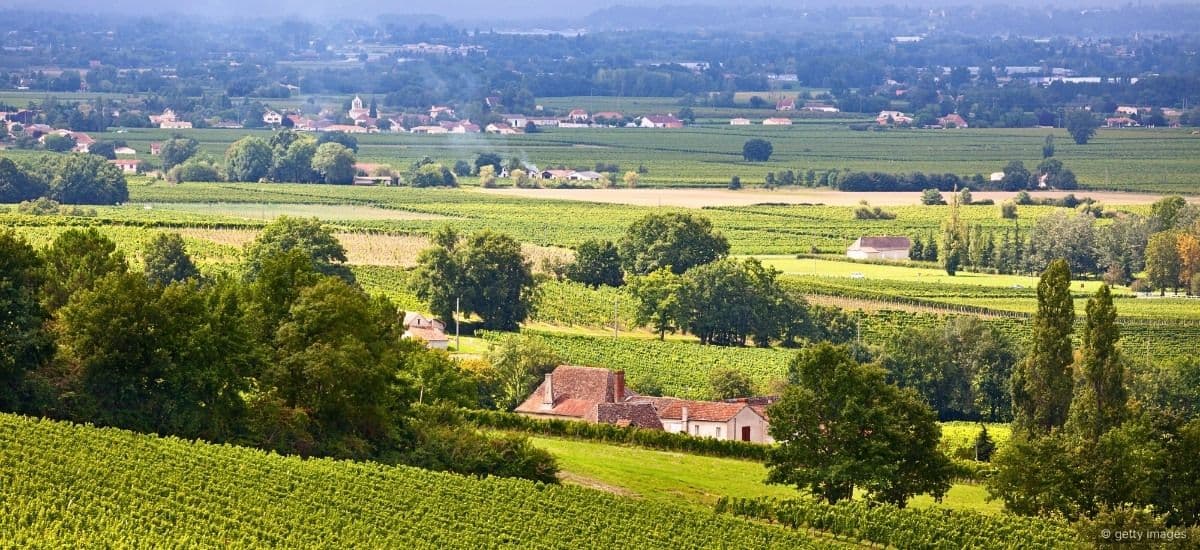 Mourvèdre adds structure, color, and savory complexity to many Rhône-style blends. The vineyards of Provence pictured above.
What Does It Taste Like?
Mourvèdre in the glass is not shy. The wines tend to be deeply colored, full-bodied, and firmly tannic, with an aromatic profile that ranges from dark blackberry and plum to dried herbs, black pepper, leather, and a distinctive savory quality often described as meaty or gamey. That savory character is one of the grape's signatures, setting it apart from the brighter fruit of Grenache or the peppery elegance of Syrah and making it a versatile partner at the table with rich, umami-driven dishes. The thick skins that produce all that color and tannin also make Mourvèdre a grape that demands careful handling in the cellar, as the variety is notably prone to reduction, a phenomenon that can produce sulfurous off-aromas if the wine is not given adequate oxygen during aging.
When everything aligns, however, the results are remarkable. A well-made Mourvèdre balances its structural intensity with surprising aromatic nuance, offering layers of violet, dried Mediterranean herbs like thyme and rosemary, dark chocolate, and a mineral earthiness that speaks to the sun-baked soils where the grape does its best work. With bottle age, the tannins soften and the gamey notes evolve into something more refined, often recalling cured meat, tobacco, and dried flowers. This capacity to develop complexity over time is one of the reasons Mourvèdre has endured for millennia despite its reputation as a challenging grape to grow and vinify.
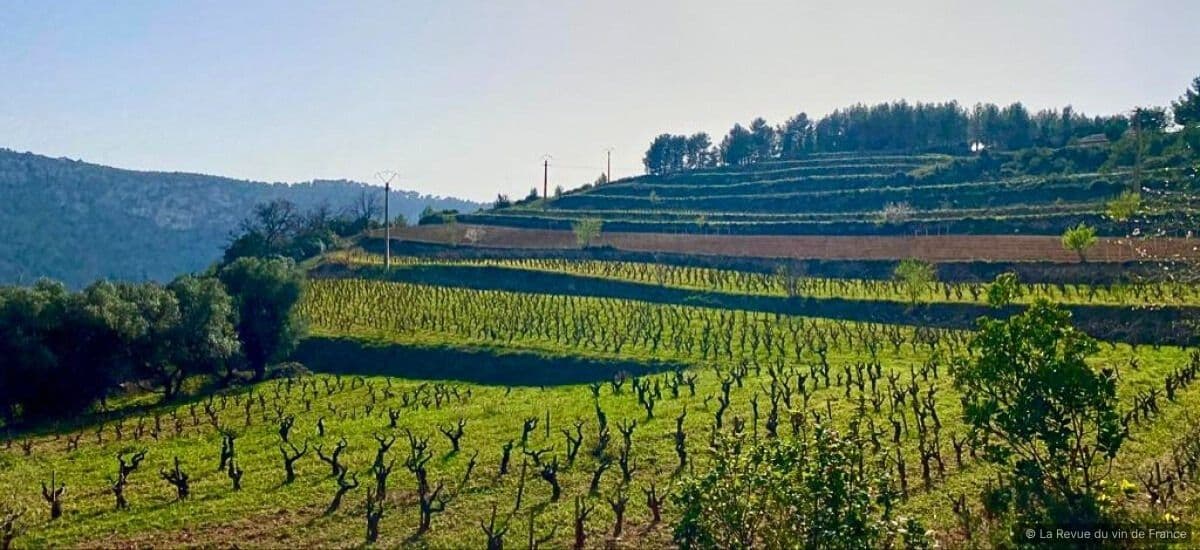 In the French appellation of Bandol, wines must contain a high percentage of Mourvèdre, making it the region’s defining grape. Domaine Tempier in Bandol pictured above.
From Bandol to Jumilla and Beyond
The geography of Mourvèdre tells a story of Mediterranean warmth. In France, the grape reaches its fullest solo expression in Bandol, a small appellation along the Provencal coast where red wines must contain at least 50 percent Mourvèdre by law. Bandol's producers have long demonstrated that the variety can stand on its own, producing age-worthy reds of considerable depth from hillside vineyards facing the sea. Further east in the southern Rhone, Mourvèdre plays a crucial supporting role in the blends of Chateauneuf-du-Pape and Cotes du Rhone, contributing weight, color, and structural backbone to wines built around Grenache and Syrah. The grape's importance in these blends has grown steadily as warmer vintages have made its heat tolerance an asset rather than a footnote.
In Spain, Monastrell remains one of the most widely planted red varieties, with strongholds in the southeastern appellations of Jumilla, Yecla, Alicante, and Almansa. Spanish versions tend toward ripe, dark-fruited generosity, often offering excellent value at accessible price points. Australia's Barossa Valley has built its own tradition around the grape under the name Mataro, frequently blending it with Grenache and Shiraz in what has become known as the GSM style. In California and Washington State, producers known as the Rhone Rangers have championed Mourvèdre since the 1980s, seeking out old vine plantings and producing both varietal bottlings and blends that continue to build the grape's American following.
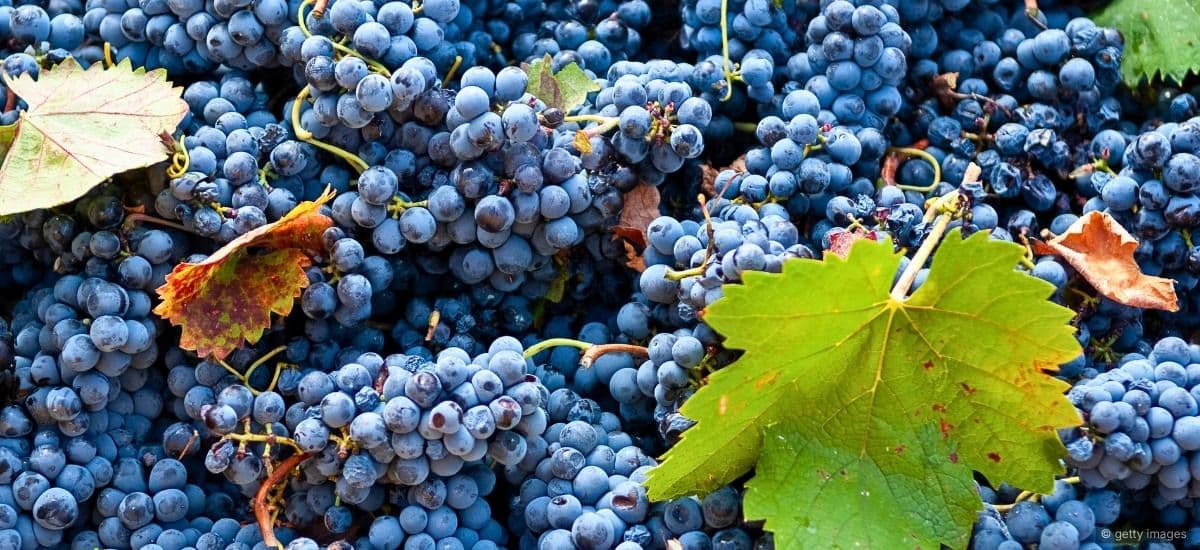 Mourvèdre adds structure, color, and savory complexity to many Rhône-style blends.
The Takeaway
Mourvèdre is one of those grapes that rewards every level of engagement. For the newcomer, it offers an introduction to a style of wine that is boldly flavored, deeply colored, and satisfyingly substantial, a natural next step for anyone who enjoys Cabernet Sauvignon or Syrah and wants to explore further. For the seasoned professional, it represents one of the most versatile and historically significant varieties in the Mediterranean canon, a grape whose role in the world's great blends is matched by its capacity to produce compelling wines on its own.
What makes Mourvèdre particularly worth knowing right now is its relevance to where wine is headed. As growing seasons lengthen and temperatures rise across traditional regions, late-ripening, heat-loving varieties are becoming more important than ever. Mourvèdre is built for exactly these conditions. Its deep roots, thick skins, and natural affinity for warm, dry landscapes position it as a grape of growing consequence in the decades ahead. Whether you encounter it as a Bandol red aging gracefully in a cellar, a bold Monastrell from Jumilla at a neighborhood tapas bar, or a Rhone-style blend at your local wine shop, the invitation is the same: to taste deliberately, to learn the name behind the blend, and to recognize that the most essential players are not always the ones in the spotlight.


