Spain’s White Wine Revival
Discover how indigenous Spanish white varieties are rewriting the country's wine narrative with crisp, aromatic wines that rival Europe's most celebrated whites.
Spain's white wine renaissance challenges outdated perceptions of a country known primarily for powerful reds and oxidized sherries, revealing instead a treasure trove of indigenous white varieties producing world-class wines. These native grapes, many rescued from near extinction, thrive in Spain's diverse microclimates from Atlantic-influenced Galicia to continental Rueda, each expressing unique terroir through distinctive aromatic profiles and structural complexity.
The transformation began in the 1980s when pioneering producers recognized that Spain's white wine potential extended far beyond simple, oxidized styles to encompass fresh, vibrant expressions capable of competing internationally. Modern temperature-controlled fermentation, careful vineyard site selection, and respect for varietal character have elevated Spanish whites from local curiosities to sought-after bottles on prestigious wine lists globally. Three varieties particularly exemplify this revolution: Albariño from the northwestern coast, Verdejo from central plains, and Godello from mountainous inland valleys, each offering distinctive personalities that expand white wine's aromatic and textural possibilities.
Spain’s white wine renaissance has accelerated in the past decade, with producers embracing lower yields, cooler zones and indigenous varieties to elevate quality.
Albariño: Galicia's Liquid Sunshine
Albariño stands as Spain's most successful white wine ambassador, transforming from obscure regional grape to international sensation through its irresistible combination of aromatic intensity and refreshing acidity. This thick-skinned variety thrives in Rías Baixas's unique Atlantic climate where granite soils and pergola training systems protect grapes from persistent rainfall while ocean breezes prevent fungal diseases. The resulting wines display distinctive peach, apricot, and citrus notes layered with floral hints of orange blossom and honeysuckle, while sea spray influence contributes subtle saline minerality that enhances food compatibility. Premium producers increasingly experiment with lees aging and selective oak treatment, adding textural complexity and aging potential to challenge perceptions of Albariño as simple summer wine.
The grape's natural glycerol content provides unexpected weight and mouthfeel despite moderate alcohol levels, creating wines that satisfy both casual drinkers seeking refreshment and connoisseurs appreciating complexity. Albariño's success has elevated Rías Baixas from unknown appellation to Spain's premier white wine region, commanding prices comparable to prestigious French whites while maintaining distinctive identity. The variety's affinity for seafood, particularly regional octopus and percebes, demonstrates how indigenous grapes evolved alongside local cuisine, creating perfect marriages that international varieties cannot replicate.
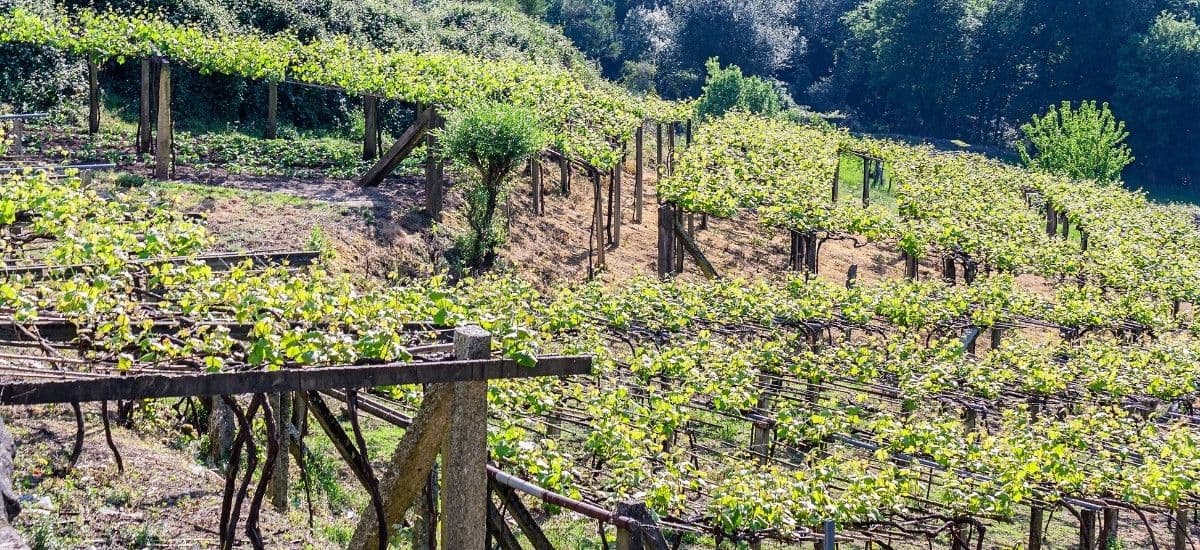 While Spain is known for its reds, white varieties now account for more than 30 percent of the country’s vineyards, reflecting shifting tastes and regional identity.
Verdejo: Rueda's Aromatic Triumph
Verdejo represents Spanish viticulture's most dramatic resurrection, recovering from near extinction to become the country's second most planted white variety through sheer quality and distinctive character. This ancient grape, possibly introduced by Mozarabs fleeing Muslim expansion, found ideal conditions in Rueda's continental climate where dramatic temperature variations between day and night preserve aromatic compounds while developing complexity. Modern Verdejo expresses itself through distinctive herbal notes of fennel and laurel, tropical fruit flavors of passion fruit and guava, with characteristic bitter almond finish that provides a unique edge.
The variety's natural tendency toward oxidation, once considered a flaw, now gets carefully managed through protective winemaking or deliberately embraced for complexity, creating styles from fresh and zesty to rich and textured. Rueda's predominantly sandy soils with limestone pebbles provide excellent drainage while contributing mineral backbone that distinguishes quality Verdejo from simple, aromatic whites. Progressive producers explore skin contact, amphora aging, and natural fermentation, revealing Verdejo's unexpected versatility and capacity for serious winemaking beyond commercial styles. The grape's moderate alcohol potential and vibrant acidity align perfectly with contemporary preferences for food-friendly wines, explaining rapid international adoption despite relatively recent quality improvements.
Godello: The Hidden Treasure of Northwest Spain
Godello emerges as Spain's most exciting white discovery, a nearly forgotten variety that produces wines of extraordinary complexity combining richness with minerality in ways that challenge Burgundy for sophistication. This indigenous grape to Valdeorras and Bierzo survived in scattered old vineyards on steep slate slopes where mechanization proved impossible, preserving genetic material that now produces some of Spain's most expensive whites. Godello's thick skin and loose clusters resist humidity while maintaining acidity despite ripening fully, creating balanced wines with apple, pear, and citrus notes complemented by distinctive wet stone minerality. The variety's affinity for oak distinguishes it from other Spanish whites, developing complexity through barrel fermentation and aging without losing freshness or varietal character.
Premium producers like Rafael Palacios have demonstrated Godello's capacity for single-vineyard expression, with old-vine bottlings achieving prices exceeding many Grand Cru Burgundies while maintaining distinctive personality. The grape's cultivation challenges, including low yields and susceptibility to drought, limit production and maintain scarcity that enhances prestige and value. Godello's textural richness and phenolic structure enable extended aging, with mature examples developing honeyed complexity while retaining vibrant acidity that defines great white wines regardless of origin.
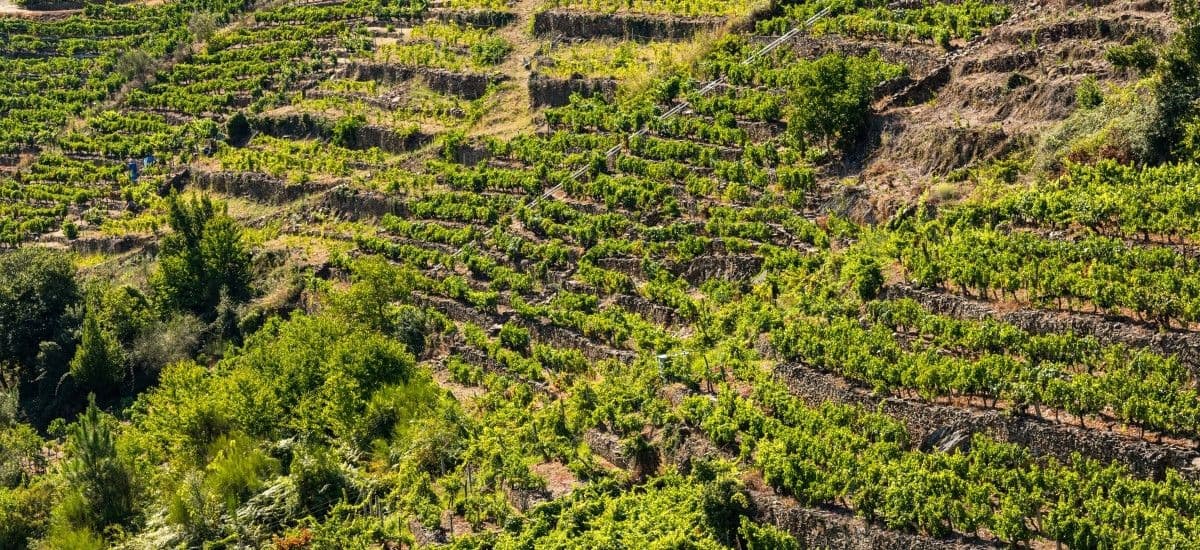 Godello, primarily from Valdeorras and Bierzo, has gained international attention for its textured, mineral-driven style that can rival top white wines of Burgundy.
The Takeaway
Spain's indigenous white varieties prove that wine greatness emerges from matching appropriate grapes to optimal terroirs rather than following international trends, creating unique expressions impossible to achieve elsewhere. These three varieties represent merely the beginning of Spanish white wine diversity, with Txakoli, Malvasía, and numerous other indigenous grapes awaiting discovery by curious wine lovers. Understanding Spanish whites requires abandoning preconceptions about the country producing only powerful reds, instead recognizing distinctive aromatic profiles and food compatibility that make these wines essential for modern dining.
Climate change paradoxically benefits Spanish white production as warming temperatures in traditional white wine regions drive interest in heat-adapted Iberian varieties and higher-altitude vineyards. The revolution in Spanish whites demonstrates how technological advancement combined with respect for tradition creates wines that honor heritage while appealing to contemporary tastes. For wine enthusiasts, these varieties offer versatile options that pair brilliantly with diverse cuisines while providing stories of rediscovery and authenticity that resonate with everyone.


